
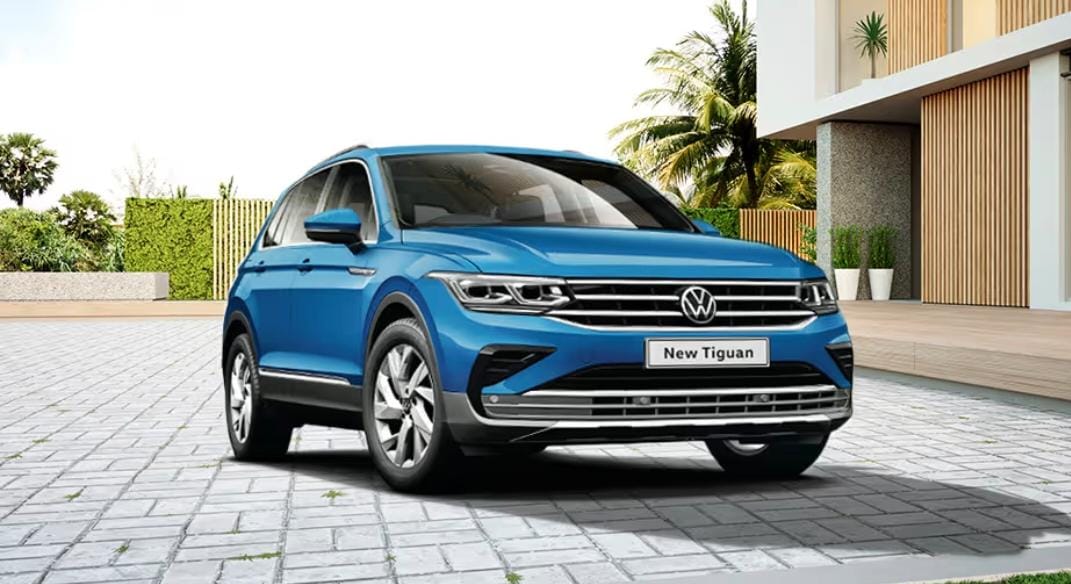
The new GST slabs coming into effect, Large SUVs and Luxury cars may get cheaper by up to 10 percent
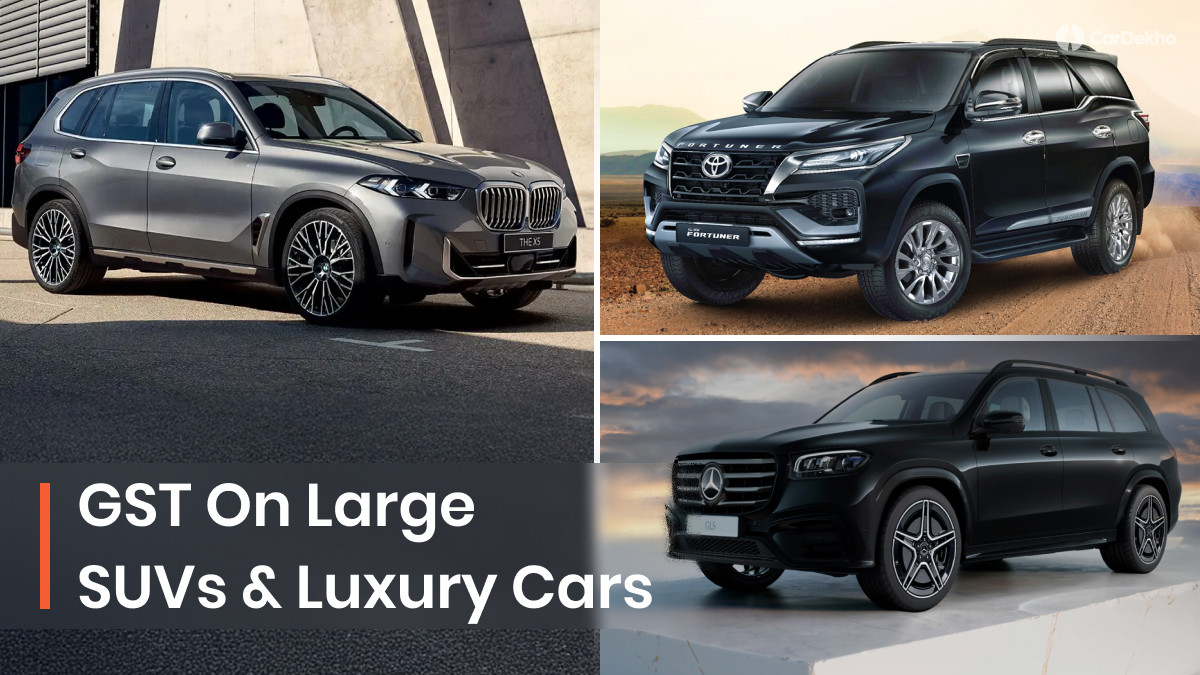
New GST premium sedans, big muscular SUVs, and top-notch luxury cars have always been aspirational for many, and for that aspiration, they ask for a huge sum of money. A reason for their prices to be so high is the GST and compensation cess placed by the government. However, this is about to change as the new GST slab for these vehicles will kick in from September 22, making such vehicles slightly affordable.
What Changed?
New GST Earlier, the GST applicable on all cars over 4 metres used to be 28 percent, and on top of the GST, a compensation cess was placed which ranged from 15 percent to 22 percent. Now, while the GST has been increased to 40 percent, the compensation cess has been completely removed, which lowers the overall tax applied.
Since all large SUVs and luxury cars are over 4 metres in length, they will all be placed under a single GST slab of 40 percent.
| Hybrid Passenger Vehicles | |||
| GST | Compensation Cess | Total Tax | |
| Old | 28% | 15% | 43% |
| New | 40% | 0 | 40% |
| Difference | +12% | 3% | |
New GST Strong hybrid passenger vehicles like the Toyota Vellfire, Lexus LM, and BMW XM, which used to attract 43 percent total tax, will now ask for a GST of 40 percent.
| Passenger Vehicles popularly known as SUVs (Above 4m in length, above >1500cc engine & >170 mm Ground Clearance) | |||
| GST | Compensation Cess | Total Tax | |
| Old | 28% | 22% | 50% |
| New | 40% | 0 | 40% |
| Difference | +12% | 10% | |
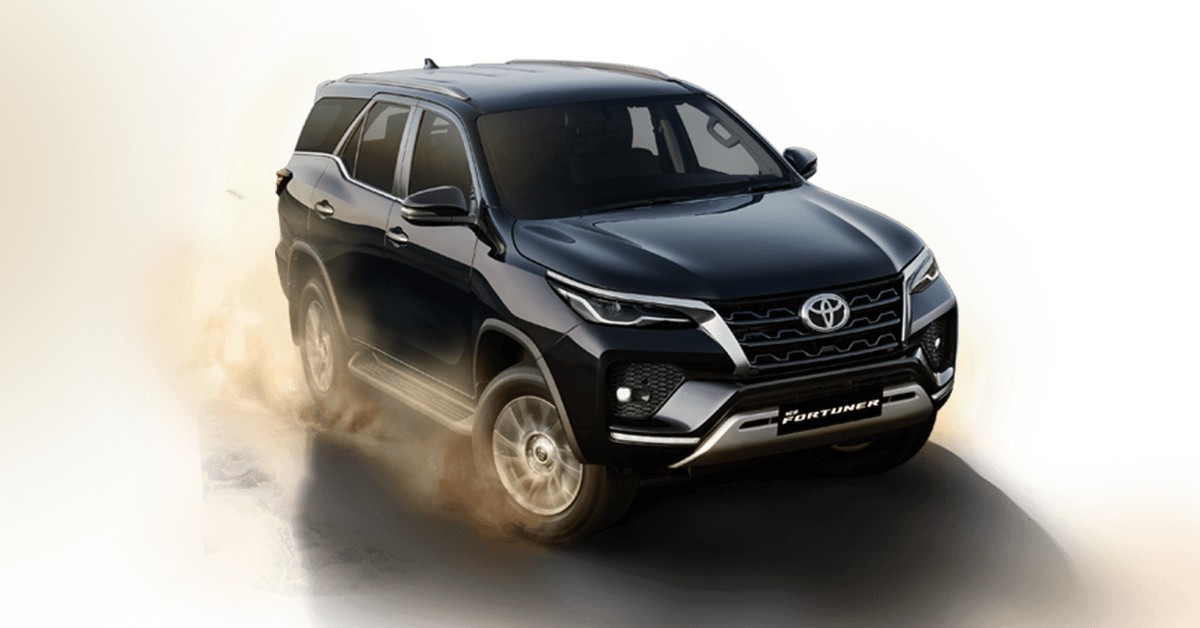
All large SUVs which fulfil the criteria of length, engine size, and ground clearance used to have a total tax of 50 percent. This included cars like the Toyota Fortuner, Mercedes-Benz GLS, Jeep Wrangler, BMW X5, and more.
Under the new tax slab, the total tax on these cars will go down to 40 percent, resulting in a reduction of 10 percent, which is expected to be passed down to the customers.
| Vehicle Over 1500cc | |||
| GST | Compensation Cess | Total Tax | |
| Old | 28% | 20% | 48% |
| New | 40% | 0 | 40% |
| Difference | +12% | 8% | |
Luxury sedans like the Mercedes-Benz S-Class, Audi A6, BMW 7 Series and even performance cars made in the country will get a New GST Rates reduction of 8 percent.
Note: All imported cars whether CBUs (completely built up units) or CKDs (completely knocked down units) will have the same tax as before. 100 percent for CBUs and 50 percent for CKDs.
Also Read: GST Rate Cut For Cars: Cess Removed, All Cars To Get Cheaper
Other Benefits
The ex-showroom price of the vehicle consists of the factory price, GST, and compensation cess. Since the total tax will be reduced and the ex-showroom price will be lower, you’ll also need to pay a lower RTO tax. This will make your car’s on-road price more affordable.

New reforms, the cost of parts and components will be placed in the 5 percent slab instead of the previous 12 percent, and this may bring down the production cost of the vehicle, which will further reduce the factory price. However, even if this happens, the manufacturer may or may not choose to pass down these savings to the customer.
In any case, the cost of vehicles will go down due to the new GST norms.
Wait For New Prices
As mentioned earlier, these GST reductions will be applicable from September 22, and we expect manufacturers to announce the revised prices of their vehicles around the same date. If you are planning to buy a new car, we suggest you wait till the new prices are out.

when exactly the prices will be announced and how much the prices will go down is yet to be disclosed, but the new GST slabs will most definitely make large SUVs and luxury cars more affordable.
Follow the CarDekho WhatsApp channel to get instant updates from the automotive world.
New GST Rates on Cars in India (2025 Update)
The Indian automotive sector is closely tied to government policies, particularly taxation. One of the most significant taxes affecting vehicle prices is the Goods and Services Tax (GST). In 2025, the Indian government has revised the GST rates on cars, especially SUVs, in an attempt to stimulate demand, support the auto industry, and align with environmental goals.
In this post, we’ll explore the latest GST rates, how they’ve changed, and what these revisions mean for consumers, manufacturers, and the overall economy.
What is GST on Cars?
GST is a single indirect tax applicable throughout India, which replaced multiple taxes like excise duty, VAT, and others. When it comes to cars, GST is levied at different slabs depending on:
- The type of car (e.g., hatchback, sedan, SUV, electric)
- The engine capacity
- The length of the vehicle
- Whether it’s petrol, diesel, or electric
- The intended use (personal or commercial)
GST on cars also includes a compensation cess, which varies depending on the vehicle type and specifications.
🔍 Updated GST Rates on Cars (As of 2025)
Here’s a breakdown of the latest GST structure on cars in India:
| Category | GST Rate | Compensation Cess | Effective Tax Rate |
|---|---|---|---|
| Small cars (<1200cc, <4m) | 28% | 1% to 3% | 29%–31% |
| Mid-size cars | 28% | 15% | 43% |
| Large cars (>1500cc) | 28% | 20% | 48% |
| SUVs (New Definition) | 28% | 17% → 13% (Reduced) | 41% (Earlier 45%) |
| Electric Vehicles (EVs) | 5% | 0% | 5% |
| Hybrid cars (Strong/Mild) | 28% | 15% | 43% |
| Luxury cars and sedans | 28% | 20%–22% | 48%–50% |
What’s New? SUV Tax Cut Explained
The most notable change in 2025 is the reduction of compensation cess on SUVs from 17% to 13%, bringing the total effective tax rate down from 45% to 41%.
New Definition of SUV for GST Purposes
To qualify as an SUV under the new GST norms, a vehicle must:
- Be over 4000mm in length
- Have an engine capacity greater than 1500cc
- Have a ground clearance of 170mm or more when unladen
Only if all these conditions are met does the vehicle attract the SUV cess slab.
Why the Change?
- Support the auto sector amid slow recovery
- Encourage SUV sales, a popular segment in India
- Address automakers’ concerns about high taxes on utility vehicles
💸 Impact on Car Prices
The GST rate change on SUVs may result in a price drop of ₹50,000 to ₹1.5 lakh, depending on the model and segment. This could make SUVs more accessible to middle-class buyers.
Example: Price Impact on a Mid-range SUV
- Previous Effective Tax: 45%
- New Effective Tax: 41%
- Approx. Cost Reduction: ₹80,000 – ₹1,20,000
Other car categories remain largely unaffected, with the exception of electric vehicles, which continue to enjoy a low GST rate of 5%.
GST on Electric and Hybrid Cars
The government has reaffirmed its support for green mobility by maintaining the 5% GST rate on EVs. Hybrid vehicles, however, still face the same rates as conventional petrol/diesel cars.
Key Points:
- EVs (Battery-operated): 5% GST, no cess
- Plug-in Hybrids & Mild Hybrids: 28% + 15% cess
- No new incentives announced yet for hybrids in this GST update
What This Means for the Industry
Automobile Manufacturers
- Likely to see a boost in SUV sales
- May adjust pricing strategies to pass benefits to consumers
- Can capitalize on demand recovery post-pandemic and chip shortages.
Dealerships
- Increased footfall expected in the SUV segment
- Opportunities to upsell mid-range and premium SUVs
Consumers
- SUV buyers will benefit directly
- Budget car buyers may not see immediate benefits
- EV buyers continue to enjoy low taxes, though upfront costs remain high
How to Calculate GST on a Car
Example:
Let’s say an SUV is priced at ₹15 lakh (ex-showroom) before taxes.
Before GST Cut (45%)
- Tax: ₹6.75 lakh
- Total: ₹21.75 lakh
After GST Cut (41%)
- Tax: ₹6.15 lakh
- Total: ₹21.15 lakh
→ Savings: ₹60,000
Conclusion
The new GST rates on cars, especially the reduction in SUV cess, are a welcome move for both consumers and the automotive industry. While small car buyers may not see a difference, SUV buyers can now enjoy noticeable savings.
This policy also hints at the government’s balancing act between boosting economic activity and encouraging the transition to cleaner vehicles. As the industry continues to evolve, we can expect further tax reforms focused on electric and hybrid cars, sustainability, and affordable mobility.
Quick Summary
- SUV cess reduced from 17% to 13%
- Effective tax on SUVs now 41% (was 45%)
- EVs continue at 5% GST
- Other vehicle categories remain unchanged
- Positive impact expected on SUV sales and pricing
Would you like this formatted for WordPress, Medium, or another blogging platform? I can also help you create a featured image or SEO-optimized title/meta description.